
Fire safety in the workplace is a responsibility that falls on every employer and employee alike. Knowing how to respond correctly when a fire breaks out (and having the confidence to act) can make a critical difference. A well-structured training programme on fire extinguishers equips staff with the knowledge and practical skills they need to protect themselves and their colleagues.
Key takeaways
- Effective fire safety training must teach employees to identify specific fire classes and match them with the appropriate extinguisher type to ensure safety.
- Employees should be trained in the PASS technique (Pull, Aim, Squeeze, and Sweep) to ensure they operate fire extinguishers correctly during an emergency.
- Understanding the limitations of equipment, such as the visibility issues with powder extinguishers or the cold burn risks of CO2, is vital for safe operation.
- A comprehensive training program should combine theoretical knowledge of legal obligations with practical, hands-on experience in a controlled environment.
- Hands-on practice allows staff to familiarize themselves with the weight and discharge speed of equipment, which is essential for building confidence under pressure.
- Regular refresher training is necessary to account for staff turnover, changes in workplace layout, and updates to safety legislation.
- Consistent fire safety training reduces hesitation during incidents and is a key component of protecting both personnel and company premises.
Understanding the Fundamentals of Fire Extinguisher Use in the Workplace
Before any employee can use a fire extinguisher effectively, they must understand the basics: not all fires are the same, and reaching for the wrong extinguisher can make a dangerous situation considerably worse. Fire safety training must therefore begin with a clear explanation of fire classes and the equipment matched to each one.
How to Identify the Right Type of Fire Extinguisher for Different Fire Classes
Fires are categorised according to the material that is burning. Class A fires involve solid materials such as wood, paper and textiles, and are best tackled with water or foam extinguishers. Class B fires involve flammable liquids like petrol or paint stripper, requiring foam or powder extinguishers. Class C fires, which involve flammable gases such as methane or butane, call for a powder extinguisher, as do Class D fires involving flammable metals like magnesium or aluminium.
Electrical fires present a particular hazard: only CO2 or powder extinguishers should ever be used, as water conducts electricity and poses a serious risk to the user. Finally, Class F fires (those involving cooking fats and oils, such as a chip pan fire) require a wet chemical extinguisher specifically designed for that purpose. Understanding correct extinguisher selection is not simply a box-ticking exercise; it is a matter of personal safety.
It is also worth noting the limitations of certain extinguisher types. Powder extinguishers can reduce visibility and cause breathing difficulties in enclosed spaces. CO2 extinguishers carry a risk of cold burns from the nozzle and should be used in open or well-ventilated areas to minimise the risk of CO2 inhalation. Fire safety awareness includes knowing these risks as much as knowing when to act.
The pass technique: a step-by-step method every employee should know
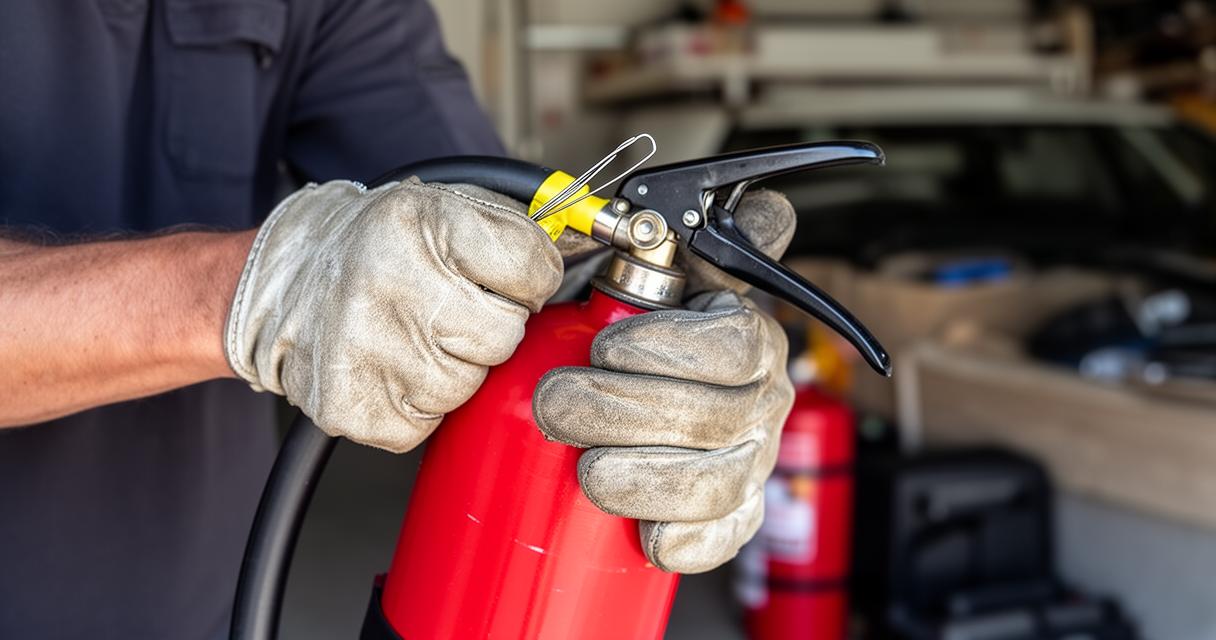
Once the correct extinguisher has been identified, every member of staff should be familiar with the PASS method, a straightforward four-step technique that ensures the extinguisher is used correctly and safely. The acronym stands for Pull, Aim, Squeeze and Sweep. First, pull the safety pin to break the tamper seal. Then, aim the nozzle at the base of the fire rather than at the flames themselves. Next, squeeze the trigger to release the extinguishing agent. Finally, sweep the nozzle from side to side across the base of the fire until it is fully extinguished.
This method applies across most extinguisher types and provides a reliable framework for staff under pressure. Fire extinguisher techniques like PASS reduce the likelihood of hesitation during an incident and help employees avoid common errors, such as aiming too high or releasing the agent too soon.
Designing and Delivering an Effective Fire Extinguisher Training Programme
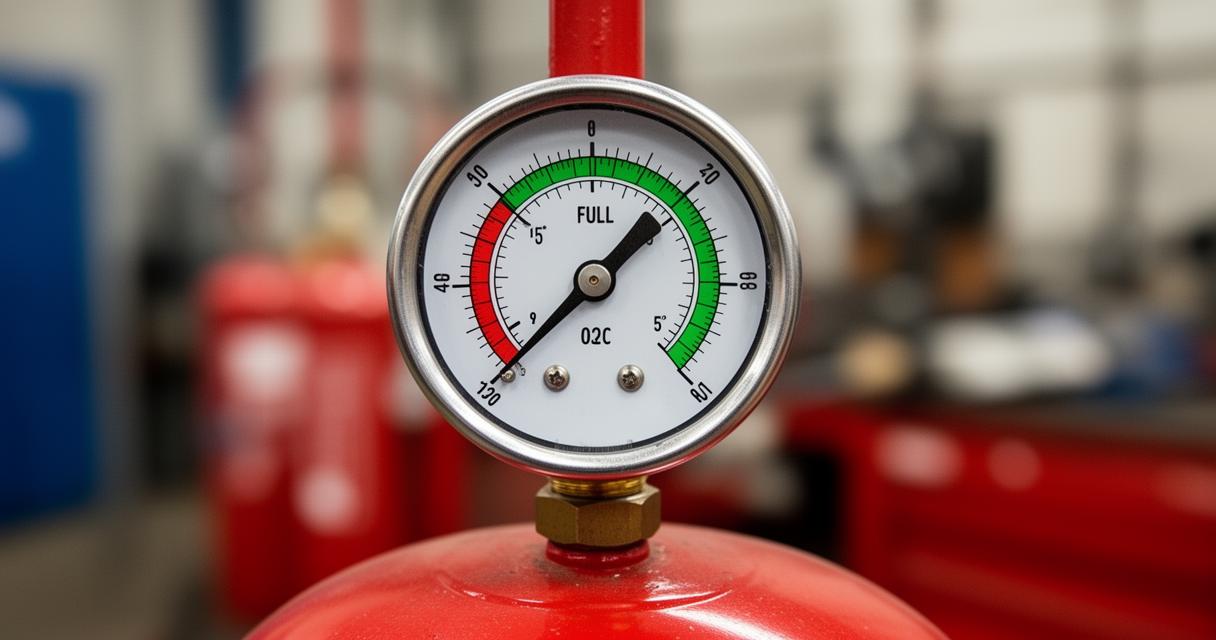
A training programme that covers only theory will leave employees underprepared. Practical fire training is essential to bridging the gap between knowing what to do and actually being able to do it under stress.
Key Elements of a Safe and Practical Hands-On Training Session
An effective training session should cover the general responsibilities of employers regarding fire safety in the workplace. Beyond those responsibilities, participants should be introduced to workplace fire hazards, how to identify them, and the correct use of firefighting equipment during a live fire incident.
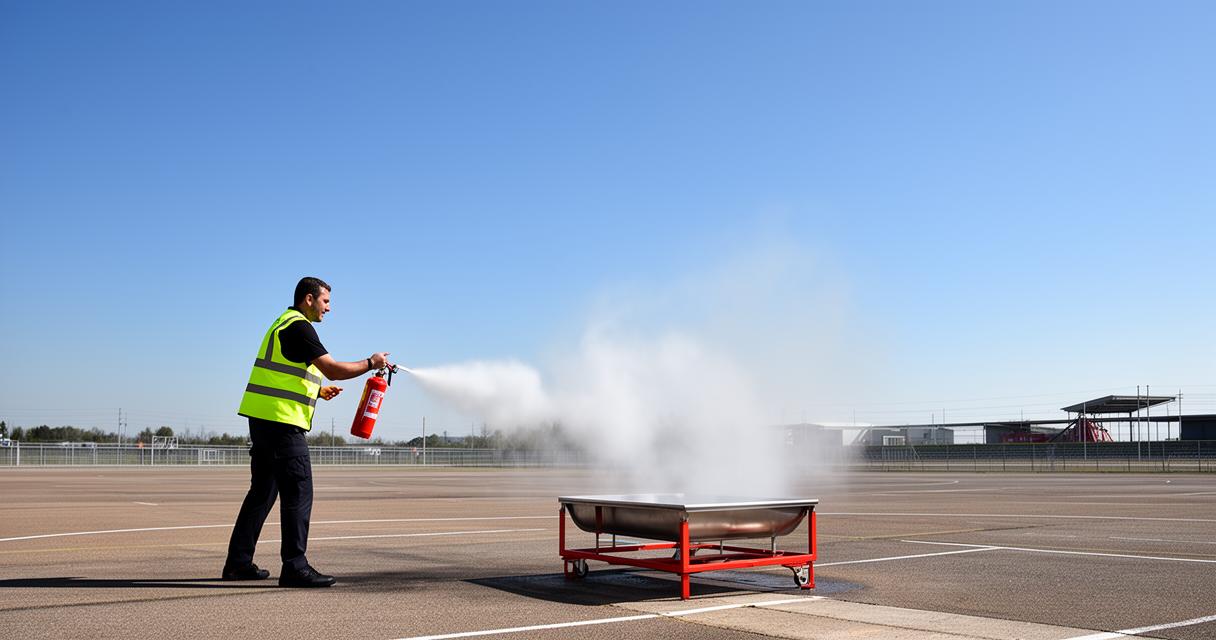
Hands-on practice using extinguishers (even in a controlled environment) is far more effective than passive learning alone. Staff benefit from experiencing the weight and operation of different extinguisher types, understanding how quickly the agent is discharged, and practising the PASS technique in a safe setting. Such sessions typically run for approximately half a day, allowing sufficient time to cover both the theoretical and practical elements without overwhelming participants.
Upon completing a course, delegates can use what they have learned to support fire risk management across the organisation.
Keeping staff confident and compliant through regular refresher training
Fire safety knowledge is not something that should be imparted once and forgotten. Staff turnover, changes to workplace layout, the introduction of new flammable materials safety considerations and updates to fire safety legislation all mean that refresher training is an ongoing necessity rather than an optional extra.
Regular refreshers help maintain staff confidence in emergency procedures, reinforce correct extinguisher selection habits, and ensure that safe evacuation protocols remain second nature. A workforce that revisits its fire safety training periodically is better placed to respond calmly and effectively should an incident occur. Ultimately, investing in consistent, well-designed fire safety training is one of the most straightforward and impactful steps an employer can take to protect their people and their premises.